Asbestos Abatement in Groveland FL: A Central Florida Property Owner’s Guide to Older Building Materials
Owning or managing an older property in Groveland comes with a certain kind of responsibility. Some of it is visible, like keeping up a roof or replacing worn flooring. Some of it hides behind walls, above ceilings, and around old pipe runs. Asbestos falls into that second category. You may never see it clearly, and you may never have a problem with it, until renovation, storm damage, or age starts breaking materials apart.
That is why asbestos abatement in Groveland FL deserves a calm, informed approach instead of guesswork. In Central Florida, the issue often shows up when someone is remodeling a bathroom, replacing old vinyl flooring, opening a wall after a leak, or cleaning up after a storm. The material itself may have sat undisturbed for years. The trouble begins when it is cut, drilled, sanded, torn, or otherwise damaged.
Florida’s asbestos program is aimed at minimizing the release of asbestos fibers during abatement, remediation, handling, and disposal of asbestos-containing materials. For property owners in Lake County and nearby parts of Central Florida, that matters because many damage situations overlap. A single property event can involve asbestos concerns, moisture, mold, HVAC contamination concerns, and the need for careful restoration sequencing.
Why older materials deserve a second look
Older homes and buildings may contain asbestos in more places than many owners expect. Federal guidance has long noted that asbestos may be found in older homes and buildings, especially in materials such as floor tile, ceiling tile, pipe wrap, siding, and shingles. Not every older material contains asbestos, and not every suspect material creates an immediate hazard. The key question is whether the material is damaged or likely to be disturbed.
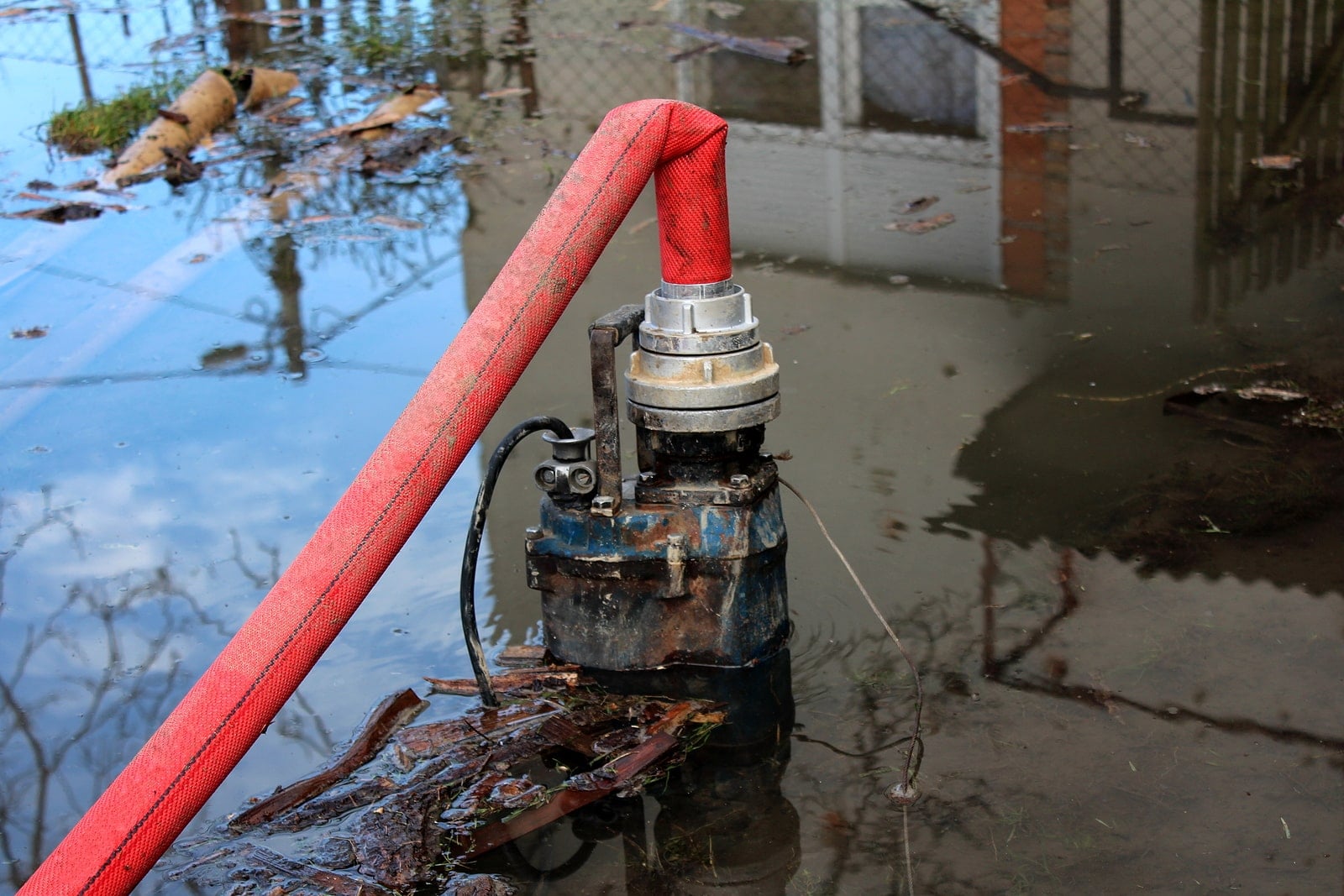
That distinction matters in real life. A stable old floor tile in a quiet back room is one situation. A crew grinding that same floor as part of a remodel is another. Pipe insulation tucked away in a utility area might remain undisturbed for decades. The same insulation, soaked by a leak and falling apart, is a very different problem.
I have seen property owners make the same understandable mistake over and over. They assume danger is tied only to age. Age is a clue, not the whole answer. Condition and planned activity matter just as much. If a renovation could disturb suspect material, or if the material is already damaged, that is when a properly trained and accredited asbestos professional becomes important.
What Groveland owners should keep in mind about the Central Florida setting
Groveland sits in a part of Florida where building issues rarely stay in one lane. A summer storm can push water into a property. Water can damage ceilings, wall cavities, and flooring. Once materials are wet, mold becomes a concern quickly. Florida health guidance points out that mold is strongly linked to moisture and that water standing for even 24 hours can allow common molds to take hold. In a humid climate, delays become expensive.
That overlap is one reason a property owner may start with one concern and end up needing several kinds of help. A leak behind an old wall can lead to drywall removal, possible insulation disturbance, mold growth, and maybe HVAC concerns if the system pulled humid or contaminated air through the building. A storm-damaged structure may need storm damage restoration Florida property owners are already familiar with, but older components can add an asbestos question to the job.
This is also where geography matters. Lake County is part of the same Florida DEP Central District asbestos program area that includes Orange, Seminole, and Osceola counties. That does not change the condition of your building, but it does help explain why restoration and environmental contractors working across Central Florida often deal with the same regional issues, old materials, storms, and high moisture loads, in a consistent regulatory environment.
The moment when caution is warranted
Most asbestos problems do not announce themselves dramatically. They begin with a seemingly ordinary project or damage event. Someone wants to update a dated room. A ceiling stain appears after heavy rain. A pipe bursts over a weekend. A tenant reports crumbling material near an old utility line. A fire leaves smoke damage and opens previously enclosed areas. Each of those scenarios can disturb older building materials.
EPA guidance is straightforward on this point. If you suspect asbestos in a home, and the material is damaged or your project could disturb it, bring in a properly trained and accredited asbestos professional. That advice is practical, not alarmist. It recognizes that disturbance is often the turning point.
Property owners sometimes ask whether they should just remove everything that looks old. That impulse can create more risk, not less. Pulling up brittle flooring, breaking ceiling materials, or tearing into old wall assemblies without a proper evaluation can release fibers you would rather have left undisturbed until the right controls are in place.
How asbestos concerns intersect with water, mold, and smoke damage
In Groveland and the wider Central Florida market, asbestos questions often arrive attached to another loss. Water is the most common. A washing machine supply line lets go. A roof leak wets a bedroom ceiling. A storm pushes rain through a window frame. What begins as water damage restoration Central Florida owners expect to handle quickly can become more complicated when damaged materials are old enough to raise asbestos concerns.
Mold is the next layer. Florida health guidance recommends keeping indoor humidity below 60 percent, removing mold promptly, and fixing the underlying leak or moisture source first if mold returns quickly. That last part is important. Cleaning visible growth without solving the moisture problem only buys time. On a job involving older materials, the order of operations matters even more. You do not want to rush demolition if suspect materials are in the affected area.
The HVAC system can also become part of the conversation. Florida health guidance says that if a central HVAC system needs a dehumidifier to get below 60 percent relative humidity, the air conditioning system should be examined for problems. It also says that if HVAC may be contaminated with mold, homeowners should consult EPA guidance before taking further action. That is relevant for any owner dealing with HVAC mold concerns after a leak or prolonged humidity issue.
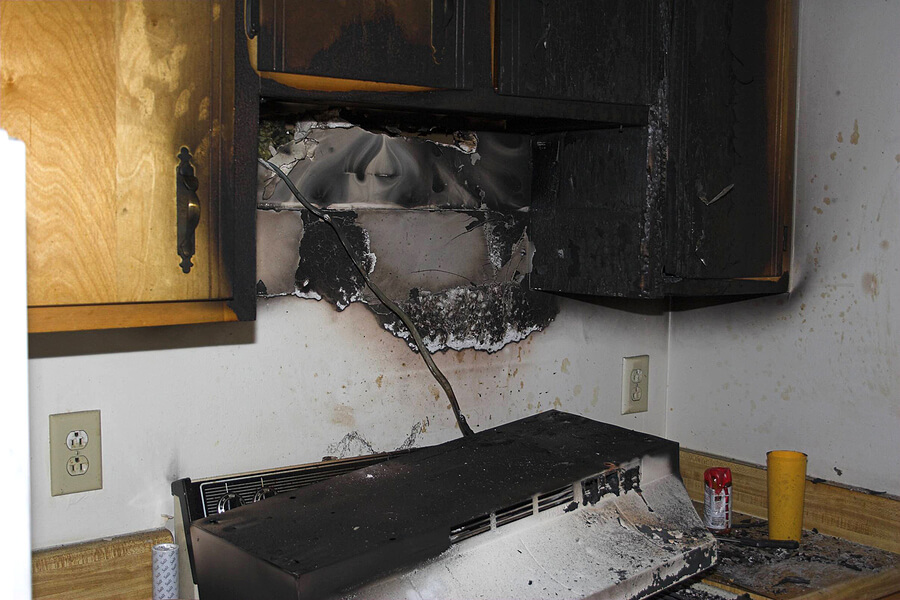
Fire adds another twist. Fire damage restoration is not only about soot and odor. Heat, suppression water, and the opening of walls or ceilings during cleanup can expose or disturb older materials. The same goes for post-loss odor elimination work. Odor control can be part of a legitimate restoration plan, but it should never outrun basic hazard assessment. If damaged older materials are present, restoration has to proceed in the right order.
A practical way to think about the decision
Property owners do not need to become asbestos experts overnight. They do need a simple framework for deciding when to slow down.
Use this short mental checklist when you are looking at an older property condition:
- Is the building material old enough to be suspect, such as older floor tile, ceiling tile, pipe wrap, siding, or shingles?
- Is it damaged, crumbling, water-affected, or otherwise deteriorated?
- Will a remodel, cleanup, or repair disturb it?
- Did a storm, leak, or fire expose areas that were previously enclosed?
- Is there another issue, such as mold remediation Lake County property owners are dealing with, that may require opening the area further?
If the answer is yes to more than one of those questions, caution is justified. That does not mean the property is unsafe to occupy in every case, and it does not mean every suspect material contains asbestos. It means this is the point to bring in trained judgment before demolition or aggressive cleanup starts.
Why moisture control cannot wait in Florida
One of the trickiest parts of a Central Florida property loss is balancing speed with control. On one hand, CDC guidance for disasters is very clear that drying a home and removing water-damaged items is the most important step to prevent mold damage after flooding. On the other hand, you cannot simply rip out anything wet in an older building if doing so may disturb asbestos-containing material.
That tension is real. It is where experienced project management matters. The water has to be addressed. Humidity has to come down. Materials that cannot be salvaged may need removal. But the process should respect what is in the building.
Florida health guidance gives owners a useful target: keep indoor humidity below 60 percent. In practice, that target helps shape immediate decisions after a leak or storm. Windows may not be enough in humid weather. Air conditioning performance matters. If the system cannot maintain proper humidity without a separate dehumidifier, that may signal an HVAC issue worth examining.
I have seen owners focus on visible puddles and ignore the rest. The carpet feels dry, so they assume the problem is over. Meanwhile, a wall cavity stays damp, the room remains muggy, and mold starts showing around supply vents or baseboards. The lesson is simple. Water losses are not only about standing water. They are about moisture migration, humidity, and timing.
What “trained and accredited” should mean to an owner
When federal guidance says to use a properly trained and accredited asbestos professional, the spirit of that advice is straightforward. This is not the place for improvisation. A property owner should expect a contractor or consultant to treat suspect materials with care, not casual confidence.
The same common-sense principle applies across related restoration work. In the cleaning and restoration field, IICRC standards are widely recognized for water damage restoration, mold remediation, HVAC assessment after water, fire, or mold damage, and fire and smoke damage restoration. If you are sorting through a multi-layered property loss, asking whether the team follows recognized standards is a reasonable question.
That does not guarantee perfection, and it does not replace legal or regulatory obligations. It does tell you something about process. An IICRC-certified remediation firm, or a firm that clearly works in line with those standards, is more likely to understand sequencing. For example, they should appreciate that mold cleanup without moisture control is incomplete, and that HVAC assessment after contamination events is not optional just because the visible room looks better.
When one problem turns into three
A common Groveland scenario goes something like this. A roof leak appears after heavy rain. The owner notices staining around an older ceiling. By the time repairs are scheduled, the area has stayed damp through several humid days. A musty smell develops. The HVAC has been running constantly but the room still feels sticky.
At that point, the owner may think they need only a roofer and maybe some odor elimination. In reality, the property may need a more coordinated plan. There could be water-damaged ceiling material, possible mold growth because moisture remained too long, and an older building component that should be evaluated before removal. If air from that room has circulated through the system, HVAC mold concerns may also deserve attention.
None of that is a reason to panic. It is a reason to stop viewing the job as a simple patch-and-paint project.
Storm season creates another version of the same pattern. Storm damage restoration Florida owners need after wind-driven rain or minor flooding can involve wet wall materials, flooring removal, and cleanup under time pressure. Disaster cleanup guidance consistently emphasizes safe cleanup after storms, floodwater, and mold exposure. In an older building, “safe” also means asking what those damaged materials are before workers start breaking them apart.
Questions worth asking before work begins
Property owners often feel at a disadvantage because they do not know the technical language. You do not need perfect terminology to ask good questions. Clear, direct questions tend to reveal whether the project is being handled thoughtfully.
Here are five that usually tell you a lot:
- Could any of the damaged older materials in this area be suspect for asbestos?
- Will your scope of work disturb flooring, ceiling materials, pipe wrap, siding, or shingles that may need evaluation first?
- How will you control moisture and keep indoor humidity below 60 percent during the drying process?
- If mold is present or likely, how will you address the moisture source so the problem does not return?
- If the HVAC system may have been affected, how will that be assessed before the job is considered complete?
Those questions work whether you are dealing with a residential leak, a commercial tenant buildout, post-storm cleanup, or even a fire loss that includes suppression water. They also help you sort out contractors who are thinking several steps ahead from those who are only looking at the obvious surface damage.
The special case of HVAC and hidden contamination
HVAC systems deserve their own attention because they can quietly spread moisture and contamination concerns beyond the original damage area. Florida health guidance specifically notes that if HVAC may be contaminated with mold, homeowners should consult EPA guidance before moving forward. It also notes that when a central system needs help from a dehumidifier to stay below 60 percent relative humidity, the air conditioning system should be examined for problems.
That is practical advice for Central Florida properties. If one room smells damp but the whole building feels clammy, the issue may not be limited to the original leak. If supply vents show spotting or if the system seems unable to control humidity, the investigation has to widen. This does not prove contamination throughout the system, but it does mean the HVAC cannot be treated as separate from the rest of the restoration picture.
IICRC standards include guidance for HVAC assessment after water, fire, or mold damage. That should reassure owners that this is a recognized part of restoration, not an optional upsell invented on the spot.
Where biohazard cleanup and emergency response fit, and where they do not
Not every restoration issue in an older property involves asbestos, mold, or water. Sometimes there are other cleanup categories entirely, such as biohazard cleanup after a severe event. The important point for property owners is that each category has its own risks and proper methods. A crew that handles one kind of cleanup should still respect the limits of that scope when asbestos-suspect materials are present.
The same principle applies to 24/7 emergency restoration. Emergency response is valuable when water is spreading or storm damage leaves a building exposed. Fast action can prevent secondary damage. But speed should not turn into blind demolition. The best emergency response work stabilizes the property while preserving the ability to evaluate suspect materials properly.
That balance is where experienced judgment shows. You can move fast and still https://rentry.co/983gzvp5 move carefully.
A better mindset for older Groveland properties
The most helpful shift for owners is to stop thinking in terms of isolated services. Asbestos abatement Groveland FL concerns rarely appear in a vacuum. They tend to show up beside one of the familiar Florida problems: a leak, a storm, humidity, mold, smoke damage, or an overdue renovation.
Once you look at the building as a system, the path gets clearer. Older materials may need special handling. Moisture has to be controlled quickly. Mold cannot be handled effectively without fixing the water source. HVAC performance and contamination questions matter more than many people realize. And when a restoration team is involved, it helps if they work with recognized standards and understand how one problem affects the next step.

For a property owner, that mindset saves both money and stress. It reduces the chance of tearing out the wrong thing, missing hidden moisture, or finishing a cleanup only to watch mold return because humidity stayed too high. It also keeps the project grounded in what official guidance actually supports, careful handling of suspect materials, prompt moisture control, and safe, sequenced restoration.
If you own an older property in Groveland, the smartest move is usually not the fastest visible fix. It is the first informed decision. Once that is made, the rest of the job tends to follow a safer, cleaner path.