Hurricane Damage Restoration Florida: Safe First Steps After Storms Hit Groveland and Lake County
When a hurricane or severe storm rolls through Groveland and the rest of Lake County, the damage rarely arrives in a neat package. One house may have roof leaks and soaked insulation. The next may have a backed-up bathroom, a tree impact, and a garage full of damp boxes that start smelling musty within a day or two. In Central Florida, the heat and humidity turn small problems into expensive ones fast. That is why the first steps after a storm matter so much.
I have seen homeowners do two things at the same time after storm damage. They want to save what they can, and they want to get life back to normal quickly. Both instincts make sense. But hurricane cleanup has a way of punishing rushed decisions. Turning the power back on too soon, running a contaminated HVAC system, ripping out older materials without checking what they contain, or trying to clean sewage with household supplies can create a second disaster after the first one.
The good news is that a steady, safety-first approach works. Whether you need water damage cleanup Central Florida homeowners commonly face after heavy rain, or a broader hurricane damage restoration Florida project after wind and flooding, the early decisions shape the whole recovery.
What makes storm recovery in Groveland and Lake County different
Lake County homes deal with a climate that does not give wet materials much grace. Warm air, long humid stretches, and regular downpours mean moisture lingers where it should not. Florida health guidance is very clear on one point: mold grows when moisture is present. Roof leaks, plumbing leaks, condensation, flooding, poor ventilation in bathrooms or kitchens, and HVAC issues, including drain-pan problems, can all feed it.
That matters after a storm because damage is not always dramatic. Sometimes the worst issues are hidden. A few missing shingles can let water creep into an attic over several rains. A brief power loss can leave indoor humidity high enough for mold to begin in closets, behind baseboards, or inside ductwork. A small sewage backup from storm-related system strain can contaminate materials that still look salvageable at first glance.
This is where local judgment comes in. Not every wet room needs to be gutted. Not every stain means structural damage. But not every dry-looking room is safe either. Storm recovery requires sorting cosmetic damage from health and safety hazards.
The first hours after the storm, focus on safety before cleanup
People often ask whether they should go in right away and start pulling out wet carpet, opening walls, and moving furniture. The answer depends on whether the property is safe to enter. Federal flood guidance puts reentry first, and for good reason. Flooded homes can involve utility hazards, contamination, and unstable materials.
If you return to a damaged home, start with a slow walk-around and a careful look, not a broom and trash bags. If something feels off, trust that instinct. The smell of gas, visible sparking, standing water near electrical areas, sagging ceilings, or a shifted exterior wall are all reasons to stop and get qualified help.
Here is a practical first-pass checklist for the first day:
- Make sure the home is safe to enter before spending time inside.
- Document visible damage with photos and notes before moving too much.
- Contact your insurer early and ask what they want preserved for the claim.
- Keep people out of contaminated or unstable areas, especially children and older adults.
- Do not use generators in a way that creates fire or carbon-monoxide risk.
That last point deserves more attention than it usually gets. After storms, people are tired, hot, and eager to restore power to a fridge or a few fans. The CDC warns that generator use can create both fire and carbon-monoxide dangers. A bad setup can injure people who were never near the original storm damage.
Food safety is another issue that gets overlooked. If food has been exposed to flood or storm water, CDC guidance says to throw it away. It is an unpleasant loss, but not one worth gambling on.
Why documentation should happen before aggressive cleanup
The urge to clean first is strong, especially when a house smells damp or smoky and everything feels chaotic. But insurance recovery works best when the condition of the property is documented before materials disappear into a dumpster. FEMA recovery guidance supports documenting damage and coordinating with your insurer during cleanup and repairs.
Take wide shots first, then close-ups. Capture roof leaks, wall stains, flooring damage, soaked contents, damaged appliances, and any visible mold growth or debris lines from floodwater. If there was a fire-related event during the storm, document soot and smoke spread before wiping surfaces. If there was a sewage backup, document where the contamination reached.
A simple room-by-room inventory helps. You do not need polished language. “Guest bedroom carpet soaked, baseboards swollen, dresser drawers damp, ceiling stain near window” is enough to preserve the reality of what happened. NAIC consumer guidance reminds homeowners that insurance is a legal contract, and questions are part of the process. If something is unclear, ask. Clarify what your policy covers, what emergency steps are expected, and what receipts or records to keep.
Water has a short memory, mold does not
A lot of post-storm work is really moisture control work. Water may recede, but what it leaves behind can keep reacting with the building. Drywall wicks. Insulation holds moisture. Wood swells, then twists as it dries unevenly. Cabinets can trap hidden dampness along back panels and toe kicks. Even when surfaces look decent, moisture can remain inside assemblies.
Florida guidance ties mold directly to moisture and points out that visible mold, or mold that keeps returning, usually means the underlying source has not been fixed. That is a key distinction. Killing surface growth without solving the leak, condensation, or humidity problem only buys a little time.
In Groveland, that often means checking more than the obvious storm opening. Yes, inspect roof leaks and broken windows. Also think about what happened after the power went out. Was the central AC offline long enough for humidity to spike? Did the air handler drain pan overflow? Was there a bathroom fan that never really vented well even before the storm? Florida health guidance notes that if a central AC system is being used to lower humidity below 60 percent, the system should be examined for problems. That matters because many homeowners assume the AC alone will dry the house back out. Sometimes it helps. Sometimes the system itself is part of the moisture issue.
When mold shows up in or around ductwork, registers, or the air handler, HVAC mold remediation may be necessary. This is not the place for guesswork. Running a contaminated system can spread particles through spaces that were initially unaffected. In practical terms, the HVAC system should be treated as part of the building’s moisture map, not as a separate issue.
When wet materials become contaminated materials
Not all water damage is equal. Rain entering through a roof leak is different from floodwater that has moved through yards, streets, or septic-affected areas. Sewage cleanup is its own category for a reason. CDC guidance recognizes sewage backups as health hazards, and affected areas should be isolated during cleanup with appropriate protective precautions.
That means the usual do-it-yourself habits do not apply. A mop, a fan, and scented cleaner may reduce the smell, but they do not make contaminated materials safe. Porous items can be especially difficult after sewage exposure. Drywall, carpeting, padding, insulation, and some upholstered items may hold contamination even after they look cleaner.
I remember one homeowner describing a room as “only a little wet around the edges.” Once we traced the source, it became clear that a backup had spread farther than expected under flooring and into the wall base. The visible line told only part of the story. Storm recovery often works that way. What you can smell and what you can see are useful clues, but they are not the whole diagnosis.
Odor removal matters here, but it has to follow source control. If the source is mold in wall cavities, smoke residue in porous contents, or sewage contamination under flooring, fragrance and ozone-style quick fixes are not real restoration. A serious remediation company Lake County homeowners hire should be able to explain not just how they treat odor, but what they are removing or cleaning that caused it in the first place.
Fire and smoke can follow storms too
People tend to separate hurricanes from fires, but the two can intersect. Power this page surges, generator misuse, lightning, and emergency cooking setups can all create fire risks after a storm. If that happens, the first day matters a lot. U.S. Fire recovery guidance points to the importance of safety checks, salvaging what is safe, and beginning the insurance and recovery process early.
Fire and smoke damage cleanup is not just about charred areas. Smoke moves. It can leave residue inside cabinets, in soft goods, on painted surfaces, and in HVAC pathways. Even a relatively limited fire can make a much larger part of the home smell unlivable. Some items can be cleaned and restored. Others cannot. The judgment depends on the material, the degree of heat and soot exposure, and whether the item has absorbed odor deeply.
This is one reason storm losses often become mixed losses. A homeowner may be dealing with roof leaks, wet insulation, smoke staining from an electrical event, and a stressed AC system all in the same week. Emergency restoration services exist for exactly this kind of overlap.
Older homes need one more layer of caution
A lot of owners in Lake County want to start demo right away, especially after seeing soggy drywall or crumbling ceiling texture. That instinct can backfire in older homes. EPA guidance says homes built before 1978 may contain lead-based paint, and renovation, repair, or painting can disturb hazardous materials. Asbestos is another concern in older materials, particularly when major repair or demolition is needed.
That is why Groveland FL asbestos testing can become part of storm recovery, not just remodeling. If a storm tears into older flooring, ceiling materials, siding, or other suspect building components, testing may be the responsible next step before demolition goes further. The same goes for larger tear-outs that follow significant water intrusion. Once hazardous materials are disturbed, the cleanup becomes more complicated and more regulated.
Asbestos abatement Lake County property owners may need should never be treated like ordinary debris removal. EPA asbestos guidance makes it clear that demolition or renovation work involving asbestos-containing materials must be handled under applicable rules. The practical takeaway is simple: if the home is older and the damage is extensive, pause before swinging the pry bar.
The same caution applies to mold work. Florida says mold assessor and mold remediator licensure is handled by the state’s Department of Business and Professional Regulation. Homeowners do not need to become licensing experts overnight, but they should understand that storm-related remediation is not a free-for-all. Qualified, properly credentialed help matters.
What professional help should look like in the real world
People hear “call a pro” so often that the phrase can become meaningless. In storm recovery, it should mean something specific. A good restoration team does not just show up with fans and a demolition crew. They should be able to separate urgent stabilization from premature tear-out, explain contamination risks clearly, and adapt the plan as conditions change.
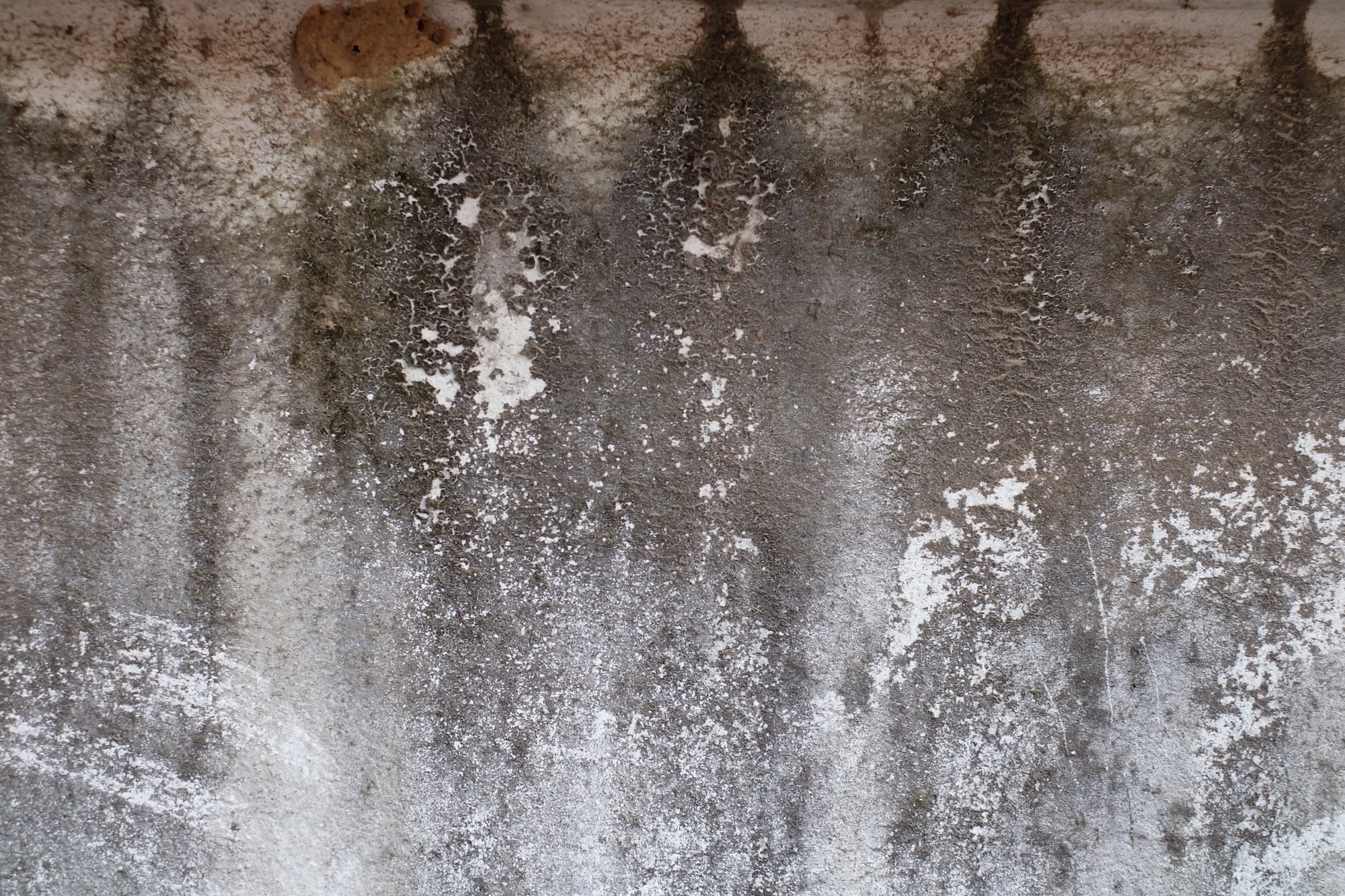
The right time to bring in emergency restoration services is often earlier than homeowners expect. Not because every problem is catastrophic, but because the first 24 to 72 hours are when moisture migration, odor absorption, and mold risk start changing the scope of work. Early action can save cabinets, flooring sections, contents, and labor. It can also prevent avoidable secondary damage.
Here are five situations where calling a remediation company Lake County residents trust is usually the safer call:
- Water reached multiple rooms, moved through walls, or sat long enough to soak structural materials.
- Floodwater or a sewage backup entered the home.
- You see or smell recurring mold, especially around the HVAC system.
- The home has smoke, soot, or fire damage in addition to water damage.
- The building is older and repairs may disturb lead-based paint or asbestos-containing materials.
The best professionals also know when not to overstate the problem. That is part of experience. A storm-damp closet does not always need a full-scale rebuild. On the other hand, a room that “just smells musty” may turn out to have an active leak and hidden growth. Good judgment cuts both ways.
The HVAC system can quietly make recovery better or worse
Central air is one of the most misunderstood pieces of post-storm recovery. Homeowners naturally want to run it hard to dry the house. Sometimes that helps, especially if the system is functioning properly and humidity control is part of the plan. But Florida guidance notes that if you are relying on central AC to lower humidity below 60 percent, the system should be examined for problems. That tells you something important: effective drying is not automatic.
After storms, I have seen systems with clogged drain lines, damp insulation near air handlers, and return-side issues that pulled musty air from damaged spaces. A wet or contaminated system can spread odors and moisture problems instead of solving them. If there is visible growth around vents, persistent musty smell when the air turns on, or known water intrusion near the air handler, HVAC mold remediation should be evaluated carefully.
This is especially relevant in mold removal Groveland projects, where homeowners sometimes clean room surfaces but leave the air system unaddressed. Then they wonder why the smell returns two weeks later. The answer is often that the moisture source or the distribution pathway was still there.
What homeowners can do themselves, and what usually crosses the line
A reasonable homeowner can absolutely do some useful first-response work after a storm, provided the home is safe to enter and there is no contamination issue. Moving dry belongings away from wet zones, improving airflow where appropriate, taking photos, and separating obviously unsalvageable non-hazardous debris are all sensible steps. So is calling your insurer early and keeping receipts.
Where things usually cross the line is when the work involves contaminated water, hidden moisture, significant demolition, HVAC contamination, or older materials that may contain lead or asbestos. That is also where rushed labor tends to create bigger bills later. Pulling out material without understanding what is wet, what is contaminated, and what may contain hazardous substances often turns controlled restoration into a mess.
One of the hardest conversations in storm recovery is telling a homeowner that a fast, cheap cleanup has made the real work slower and more expensive. It happens more than people realize. A room gets “dried” with box fans while wet baseboards stay in place. A musty closet gets painted instead of opened up after the leak is fixed. A damaged older ceiling gets scraped without considering asbestos. Nobody sets out to make things worse. They are trying to get through a bad week. But storm damage rewards patience and penalizes assumptions.
Recovery is rarely one service, and that is normal
Storm response often starts with one visible issue and unfolds into several connected tasks. What begins as hurricane damage restoration Florida homeowners expect to be about roof leaks may also involve mold removal Groveland residents need because humidity stayed high for days. Water damage cleanup Central Florida weather makes common can overlap with sewage cleanup after backups, or with fire and smoke damage cleanup after a generator or electrical incident. Odor removal becomes part of the picture once moisture and contamination sources are identified and addressed.
That layered reality is not a sign that someone is overselling the job. Often, it is just how buildings behave after a severe storm. Houses are systems. Air movement, insulation, finishes, plumbing, wiring, and HVAC all affect one another. A good recovery plan respects that.
If there is one thread running through every successful storm cleanup in Groveland and Lake County, it is this: slow down just enough to make the next step the right one. Make the property safe. Document the damage. Coordinate with your insurer. Treat moisture seriously. Respect contamination. Be cautious with older materials. And when the problem extends beyond surface cleanup, bring in qualified help before a manageable loss becomes a much larger one.